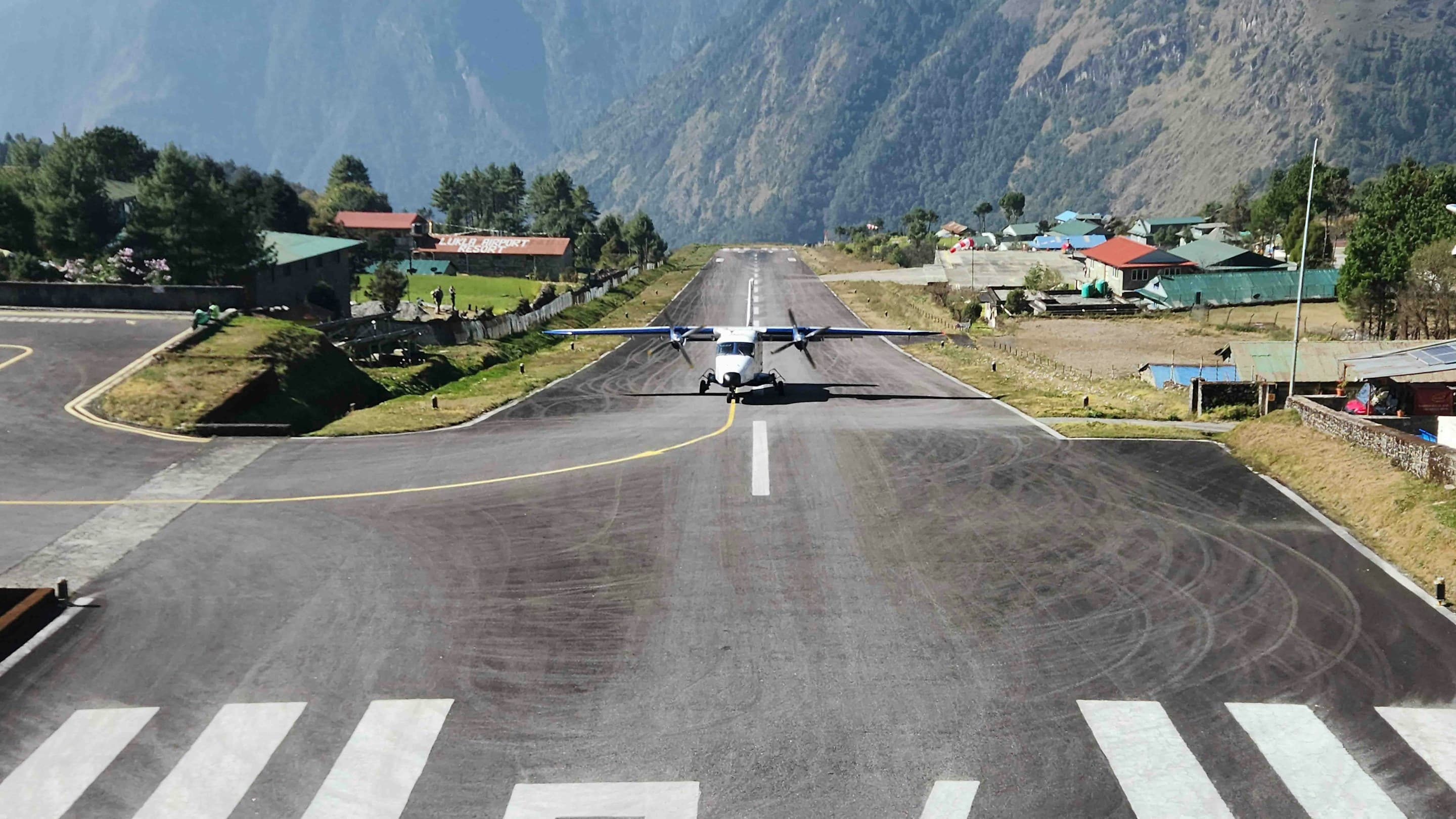


Delays Happen — What Matters Is Your Next Step
Lukla travel works best when travelers expect some uncertainty and plan calmly around it. A delay does not automatically mean your trip is ruined, your trek is lost, or your only option is a costly emergency change.
In many cases, the smartest move is simple: understand what kind of delay you are dealing with, look at how much flexibility you have, and choose the next practical step.
This page helps you do exactly that.


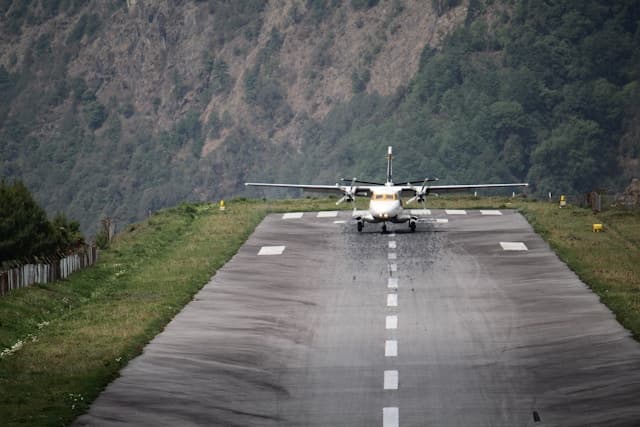
Your First Response When Flights Slow Down or Stop
When conditions affect operations, travelers often lose time by reacting emotionally instead of practically.
Stay calm first

A delay is stressful, but clear thinking helps more than speed.
Confirm what actually changed

Find out whether your flight is delayed, uncertain, shifted, or paused.
Review your flexibility

Your next step depends on whether you have buffer days, trek flexibility, or a fixed international connection.
Keep your essentials close

Documents, medicines, chargers, and warm layers should stay with you.

The best travelers do not try to predict everything. They prepare for the next one or two decisions.
Not Every Delay Means the Same Thing
A traveler delay scenario usually falls into one of these categories:

Conditions may improve, and operations could still move later.
Movement is possible, but timing remains unclear.
Some travelers may move, while others may need to wait longer or rebook.
Safe movement is not happening for now, and rebooking or adjustment becomes more likely.
The more accurately you understand your delay type, the better your next decision will be.
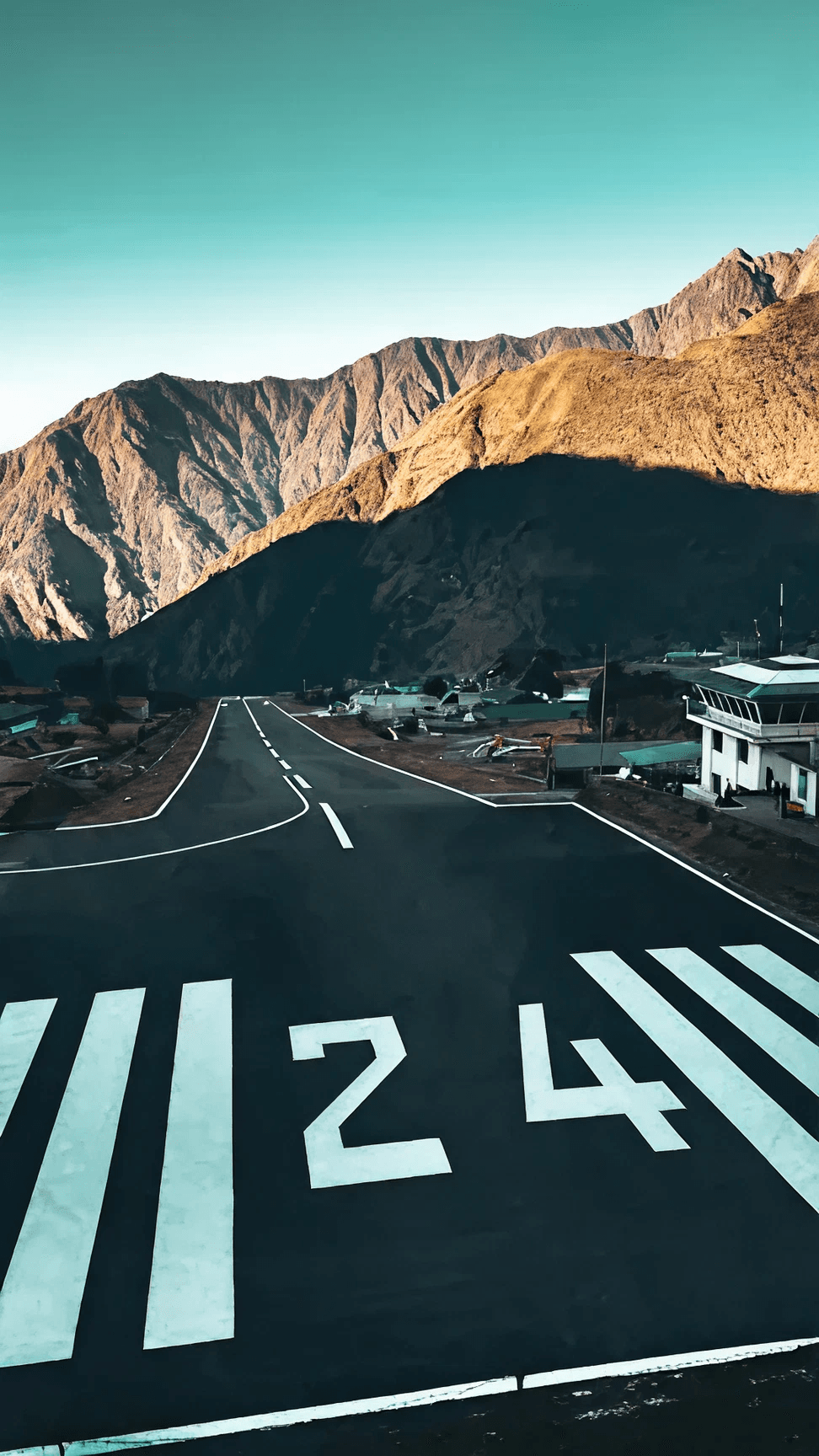
Should You Wait, Rebook, or Adjust the Plan?
This is the main question most travelers ask.
Wait
Best when:
- Conditions may improve
- Your schedule is flexible
- You are not risking an important onward connection

Rebook the Next Safe Window
Best when:
- today’s movement looks weak
- you still have trek or return flexibility
- a clean restart tomorrow is more practical than waiting in uncertainty
Adjust the Plan
Best when:
- you have a trek start or return schedule to protect
- you need to rework your next 1–2 days
- your delay affects hotels, transfers, or onward travel
The goal is not choosing the most dramatic option. The goal is choosing the most practical one.
Buffer Days Are the Best Delay Protection
A buffer day is often the simplest and smartest protection in Lukla travel planning.
they reduce pressure on trek starts
they protect international departures
they make weather uncertainty easier to manage
they give you room to wait or rebook without panic
Before the trek
A delayed outbound flight does not immediately damage your route plan.
Before an international flight
A delayed return feels less risky when you still have time.
For group travel
A little flexibility reduces stress across the whole group.


The Right Move Depends on Your Situation
Outbound trekker
If you are flying in to begin a trek, your main question is how the delay affects your start date and early route timing.
Returning trekker
If you are flying out of Lukla after trekking, your main question is how the delay affects your Kathmandu schedule and international departure.
Tight-schedule traveler
If every day is fixed, you may need to adjust quickly and think in terms of risk control, not ideal timing.
Flexible traveler
If your schedule has room to move, your best option may be patience and measured rebooking.
Return Travel Is Where Delay Stress Feels Highest
For many travelers, the biggest pressure comes on the way back — especially if an international departure is already booked.

Do not wait too long to assess risk
A “maybe later” delay can become more serious if your onward flight is fixed.
Use your margin wisely
The smaller your buffer, the more carefully you should think about next steps.
Keep communication active
Stay reachable and confirm every important change directly.
This is where good planning before the trek matters most.
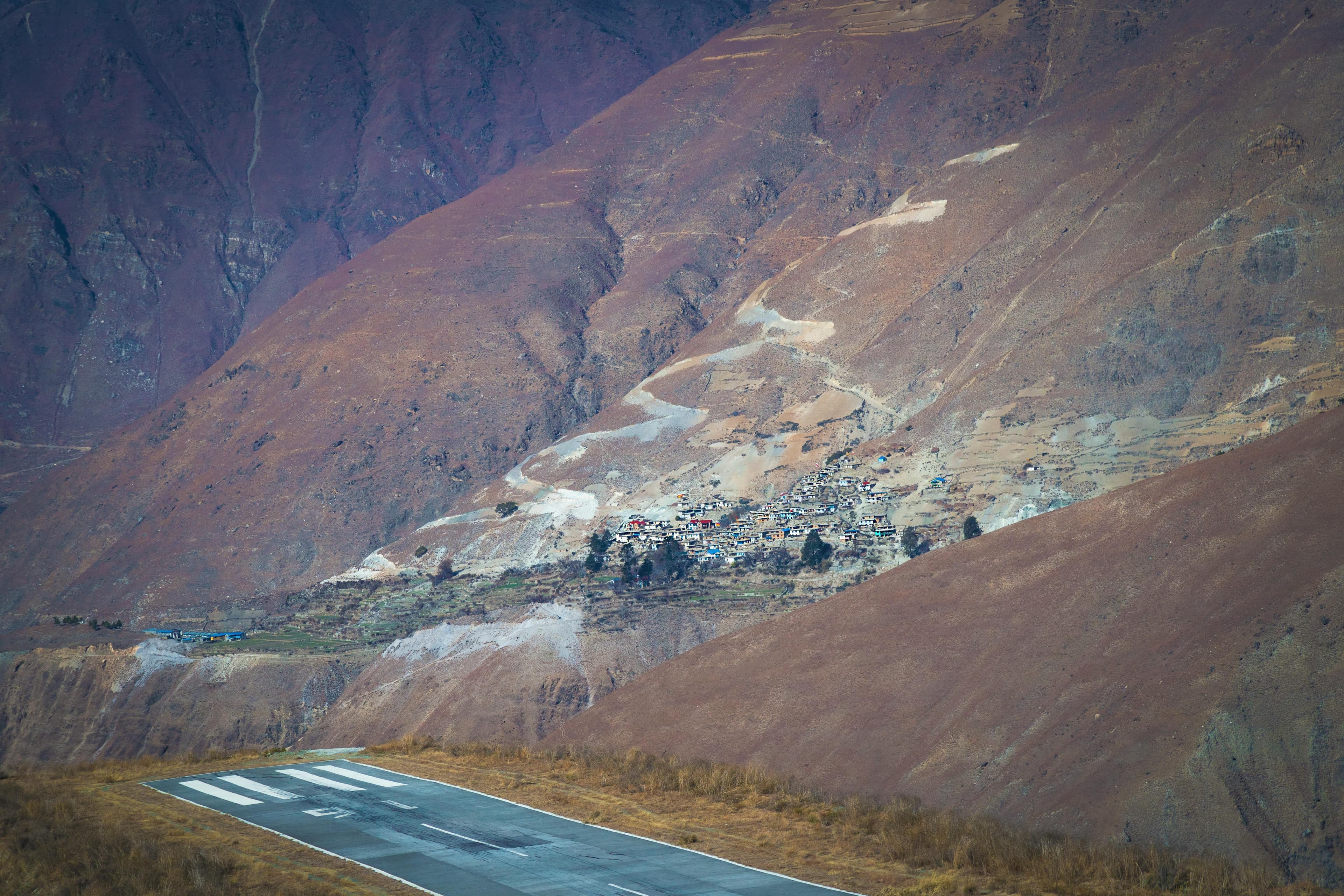
When Should You Consider Helicopter Options?
Helicopter options may become relevant in some delay situations, especially when a traveler has very limited flexibility. But they are not automatic solutions.
Best used when
you are protecting a high-stakes return
your schedule has very little room left
weather and availability still make it practical
Important reminder
Helicopters are still weather-limited. They should be treated as a possible option — not a guaranteed escape route.
What to Keep With You When Delay Risk Is High
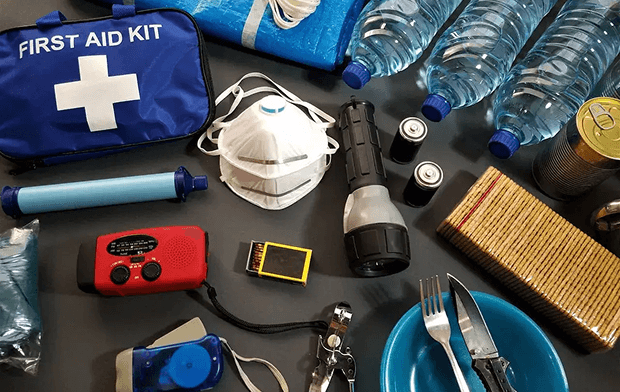
On uncertain flight days, your hand luggage matters more than usual.
Checklist
medicines
chargers / power bank
warm layer
passport and travel documents
one basic change of clothes
snacks and water
cash
critical valuables
If the day changes unexpectedly, these small items often make the biggest difference.
Common Delay Mistakes to Avoid

Panicking before understanding the situation
Assuming a later improvement is guaranteed
Packing important items into checked luggage
Ignoring the risk to return travel and onward flights
Assuming a short delay means the whole day is lost
Leaving no buffer day in the full itinerary
Expecting helicopters to solve every problem
A Simple Delay Decision Flow
What kind of delay is this — short, uncertain, limited, or full pause?
How much flexibility do I have — today, tomorrow, and before any fixed flight?
Should I wait, rebook, or adjust the next part of the plan?
Do I need to protect my return or consider another option?
You do not need a perfect answer immediately. You need the next reasonable step.
Related Planning Guides
Weather Basics
Understand the visibility and cloud patterns behind many delays.
Manthali Transfer Guide
Prepare for route changes and transfer timing if departure plans shift.
Essentials Guide
Keep documents, medicines, and hand-carry basics ready on uncertain days.
Helicopter Options
Review when helicopter planning is realistic and where limits still apply.