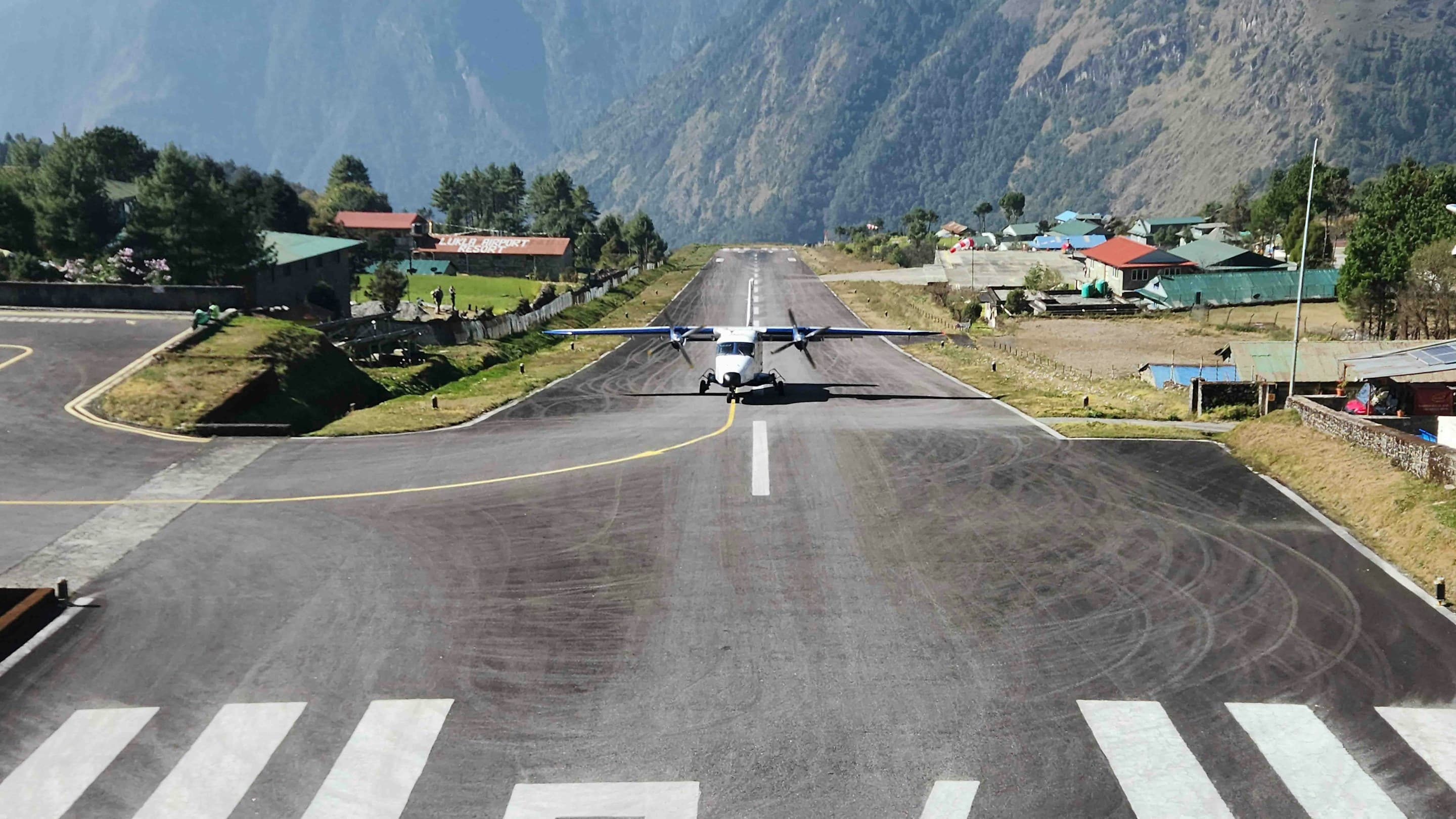


How Lukla Flights Usually Work
Lukla flights are closely tied to mountain weather, visibility, and safe operating windows. On many days, the earliest departures have the best chance because conditions are often more stable earlier in the day.
That does not mean all early flights will operate, and it does not mean later flights never move. It simply means that Lukla travel works best when you build your plan around flexibility, early timing, and realistic expectations.
This is especially important if your trek starts on a fixed day or your return needs to connect to an international flight.

Why Morning Flight Windows Matter
For many travelers, the most important thing to understand about Lukla flights is timing.
Earlier departures often move first

When safe conditions open, earlier flight waves often have the strongest chance
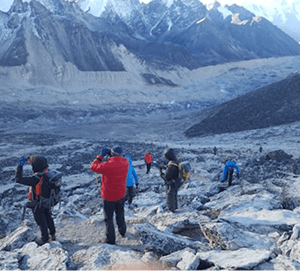
Mountain conditions can change quickly

Peak weeks may route flights via Manthali. Learn the real transfer timings.
Late planning adds pressure

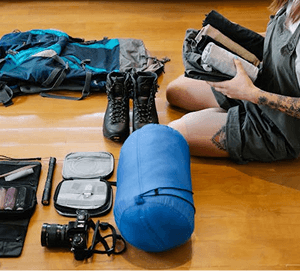
Strict limits are common. Soft duffels are usually easier to manage.

So, When Is the Best Time to Fly to Lukla?
If your goal is smoother trek-start logistics, the best time is usually when:
- trekking demand matches your route goals
- your schedule allows flexibility
- you keep buffer days
- you avoid over-tight connections
Important note
There is no "perfect" season with guaranteed operations. Lukla travel works best when expectations are realistic and planning is flexible.
That is why the smartest travelers do not ask only, "What month is best?" They also ask, "How much flexibility do I have if conditions change?"
When Manthali Routing Becomes More Relevant
In some busy trekking periods, flights that travelers might expect from Kathmandu may instead operate via Manthali. This usually means an additional road-transfer layer and more complex timing.
For travelers, the practical impact is:
much earlier start times
more transfer planning
more importance placed on hand-carry essentials
greater need to confirm your departure point before travel
This is one of the main reasons why "Lukla flight planning" is about more than just the flight itself.
Planning Advice by Traveler Type

Trek start with flexible itinerary
You may be able to work with a modest buffer if the rest of your route is not tightly fixed.

Return traveler with international connection
You should plan more carefully and protect your return with enough buffer time.

Group traveler
Coordination matters more. Keep documents, baggage planning, and communication simple.

Short itinerary traveler
The tighter your schedule, the less room you have for changes. Build extra caution into your plan.

Buffer Days Matter in Every Season
No matter when you travel, buffer days reduce stress.

Monsoon / uncertain periods
Build more flexibility if possible.

Peak trekking seasons
Keep at least 1–2 buffer days if your schedule matters.

Fixed international departure
Protect your return with enough margin.
Short trip with no flexibility
Understand that your risk feels higher when every day matters.
A buffer day is not wasted time. It is one of the simplest ways to protect your trek, your return, and your peace of mind.
Common Lukla Packing Mistakes to Avoid

Assuming Lukla flights work like standard city-to-city flight
Leaving no buffer days
Packing essentials into checked luggage
Assuming good weather in one place means the same in Lukla
Building a fixed international connection too tightly
Not checking whether departure is from Kathmandu or Manthali
Related Planning Guides
Weather Basics
Learn why cloud, fog, and visibility change the day more than the schedule.
Manthali Transfer Guide
Prepare for the road-transfer layer that often appears in peak periods.
Delay Playbook
Keep a next-step plan ready if the schedule stalls or shifts.
Essentials Guide
Pack your hand luggage and flight-day basics around real Lukla conditions.